
Cloud Computing in Banking: What It Really Means and Why It Matters (A Simple Guide)
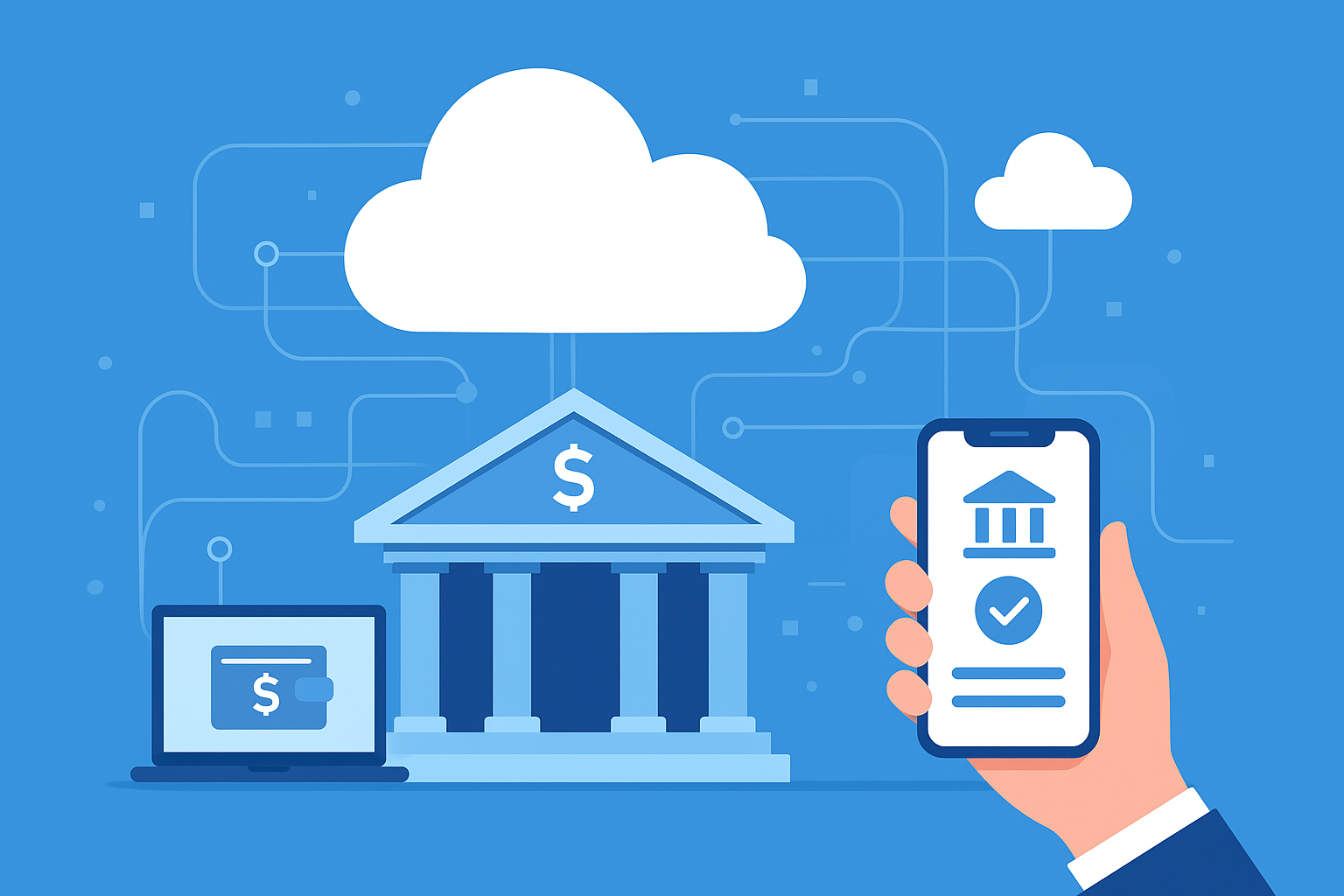
Banking is changing faster than most people realize. Not long ago, you had to visit a physical branch just to check your balance or transfer money. Today, you can do nearly everything from your phone, and in many cases, even speak with a virtual assistant that understands your needs instantly. But what makes all of this possible?
If you’ve ever wondered what “cloud computing in banking” really means or why it’s becoming such a big deal, this article explained.
What Is Cloud Computing in Banking?
Think of traditional banking technology like having all your documents stored in a single filing cabinet in your house. If your cabinet gets full, breaks, or gets damaged, you’ve got a problem.
Cloud computing, is like securely storing your documents in a trusted digital vault that you can access from anywhere. You can add more storage whenever you want, you don’t have to maintain expensive equipment, and the provider keeps the system updated and secure.
In banking, cloud computing lets financial institutions store data, run applications, analyze customer information, and deliver services using remote servers instead of relying solely on physical hardware located in bank branches.
Why Banks Are Moving to the Cloud
Banks have traditionally been very cautious with new technologies and for good reason. They handle sensitive information, face strict regulations, and must ensure that customers’ money and data remain fully protected. So why are they moving to the cloud now?
1. Lower Costs
Running all of a bank’s technology on-site is incredibly expensive because they need things like servers, backup systems, electricity, cooling equipment, and large IT teams to keep everything running smoothly. With cloud computing, banks can simply rent the technology they need instead of buying and maintaining it themselves. This means they only pay for what they use, just like paying for electricity or water, making their operations much more cost-effective.
2. Improved Security
Even though some people think storing data in the cloud is less secure, it’s actually the opposite when done properly. Big cloud providers invest huge amounts of money into advanced cybersecurity tools that most banks couldn’t afford on their own.
These include things like encryption, real-time threat monitoring, secure data centers, automatic updates, and built-in disaster recovery. For banks, this adds an extra layer of protection against hackers, fraud, and system failures, making their overall security even stronger.
3. Faster Innovation
Banks need powerful technology to offer modern features like instant money transfers, quick loan approvals, or real-time fraud alerts. Cloud computing gives them the power and flexibility to build, test, and launch new ideas much faster than traditional systems.
Instead of waiting months to roll out a feature, banks can experiment, update, and improve their services quickly, helping them stay competitive in a fast-moving digital world.
4. Better Customer Experiences
At the end of the day, cloud computing makes banking easier and more pleasant for customers. It allows banks to offer things like 24/7 mobile banking, instant notifications, personalized recommendations, smoother transactions, and faster customer support. Everything becomes quicker and more reliable, which means you spend less time waiting and more time enjoying hassle-free banking.
How Cloud Computing Works Behind the Scenes
To understand how banks use the cloud, think of a bank’s operations divided into three layers:
1. Infrastructure (IaaS)
This layer is basically the foundation of the servers, storage, and computing power that banks rent from a cloud provider instead of buying and maintaining themselves. It’s like borrowing a fully equipped computer room that someone else keeps secure, updated, and running 24/7.
2. Platforms (PaaS)
On top of the rented infrastructure, banks use cloud platforms to build new apps, process data, and automate important tasks. This makes it easier for developers and IT teams to experiment and create new features without worrying about hardware or complicated setup.
3. Software (SaaS)
This layer is where banks use ready-made cloud-based software to handle things like fraud detection, digital onboarding, customer support, and other everyday operations. They simply subscribe to the tools they need, and everything runs smoothly online without installation or maintenance.
Common Uses of Cloud Computing in Banking
Let’s break down examples of how banks use cloud technology today.
1. Mobile and Online Banking
Every time you open your banking app, check your balance, or make a transfer, you’re using cloud-based systems. Because the cloud can automatically expand to handle more users, banks can support millions of people logging in at the same time without the app slowing down or crashing.
2. Fraud Detection and Security Monitoring
Banks rely on cloud-powered tools to scan huge amounts of data in real time so they can quickly spot unusual activity, like suspicious spending or strange login attempts. This fast analysis helps banks protect customers and stop fraud before it spreads.
3. Customer Service
Many of the chatbots, virtual assistants, and automated phone systems you interact with are powered by cloud technology. These tools help customers get answers quickly, solve simple problems instantly, and reach support without long wait times.
4. Loan Processing
Cloud-based AI tools help banks review loan applications much faster than traditional methods. This means decisions that used to take days or weeks can now happen in minutes, making the process easier and more convenient for customers.
5. Data Backup and Disaster Recovery
Banks use the cloud to store secure backup copies of their important information. If a system ever fails or something unexpected happens, they can quickly recover data and get services running again with minimal downtime.
6. Collaboration and Internal Tools
Inside the bank, employees use cloud-based apps, dashboards, and compliance tools to work more efficiently. These tools help teams share information, track performance, and stay organized, all while keeping data secure and up to date.
Types of Clouds Used in Banking
Not all cloud systems are the same. Banks typically choose from three types:
1. Private Cloud
A private cloud is built specifically for one bank, meaning no other organization shares it. This makes it extremely secure and ideal for storing very sensitive financial data, but it’s also the most expensive option because the bank is responsible for most of the setup and maintenance.
2. Public Cloud
A public cloud is a shared system offered by major providers like AWS, Microsoft Azure, or Google Cloud. Banks use this option for things like mobile apps, data analytics, and everyday services because it’s flexible, affordable, and easy to scale as their customer base grows.
3. Hybrid Cloud
A hybrid cloud combines the best of both worlds by using private cloud for sensitive information and public cloud for regular tasks. This approach has become the most popular among banks because it offers strong security while still giving them the flexibility and cost savings of public cloud services.
Benefits of Cloud Computing for Bank Customers
Cloud computing doesn’t just help banks; it helps customers too. You benefit from cloud technology every time you use your phone to manage money.
1. Faster Services: Because cloud systems process information quickly and efficiently, things like money transfers, bill payments, and even loan approvals happen much faster than they used to. This means less waiting and more instant results when you need them.
2. More Personalized Banking: Banks use cloud-powered analytics to better understand your habits and needs, which helps them offer more personalized recommendations, alerts, and financial tips. It’s like having a smarter, more attentive banking experience tailored just for you.
3. Better Security: Cloud providers invest heavily in world-class security tools, which means your information gets extra layers of protection. With advanced encryption, monitoring, and fraud detection, your data stays safer and better protected from threats.
4. 24/7 Availability: Thanks to cloud technology, banking services can stay up and running even during busy times or unexpected technical issues. So whether it’s day or night, you can rely on your banking app to work whenever you need it.
5. Access From Anywhere: Whether you’re traveling, moving to a new city, or working from a different location, cloud technology ensures your banking services go with you. All you need is an internet connection to manage your money from virtually anywhere in the world.
How Banks Keep Cloud Data Secure
Banks take security very seriously, and they use several powerful tools to keep cloud data safe for both themselves and their customers. They start with encryption, which scrambles information so that no one can read it without the proper key, whether the data is being stored or transferred.
To add another layer of protection, banks use multi-factor authentication, requiring employees and sometimes customers to confirm their identity in more than one way before accessing important systems. Access controls make sure that only authorized people can view sensitive information, keeping it out of the hands of those who don’t need it.
Cloud systems also monitor activity around the clock and send alerts whenever something looks suspicious, allowing banks to react quickly to potential threats. On top of that, banks must follow strict compliance standards, laws, and regular audits to ensure they’re always meeting the highest levels of data protection. And finally, cloud systems automatically back up important information so that if a technical issue or emergency ever occurs, the bank can recover data quickly and keep services running smoothly.
Examples of Cloud Computing in Banking
Cloud computing is being used by banks and financial companies all over the world in different ways. Many new digital-only banks run almost entirely on the cloud, which makes them agile, cost-effective, and able to launch new services quickly.
Large, traditional banks are also adopting cloud technology, often using a hybrid approach that modernizes their services while keeping sensitive data secure. Lending platforms rely on cloud-based tools to process loan applications faster and more accurately, speeding up approvals for customers.
Even companies that handle billions of payments every day depend on the cloud to keep their systems reliable, safe, and running smoothly around the clock.
The Future of Cloud Computing in the Banking Industry
Cloud computing is just the beginning of a major transformation in banking, and the next decade promises even more exciting changes. We can expect smarter AI-driven banking that provides real-time insights to help customers budget, save, and invest more effectively.
The rise of digital-only banks will continue, as cloud technology makes it easier and more affordable to launch new financial institutions. Global payments will become faster and cheaper thanks to cloud-powered systems, while back-office operations like reconciliation, reporting, and compliance may become fully automated.
At the same time, cloud platforms will use advanced machine learning to strengthen fraud prevention, helping banks stay one step ahead of evolving threats and keeping customers’ money and data safer than ever.