

Cloud Computing in Healthcare: How the Cloud Is Transforming Modern Medicine
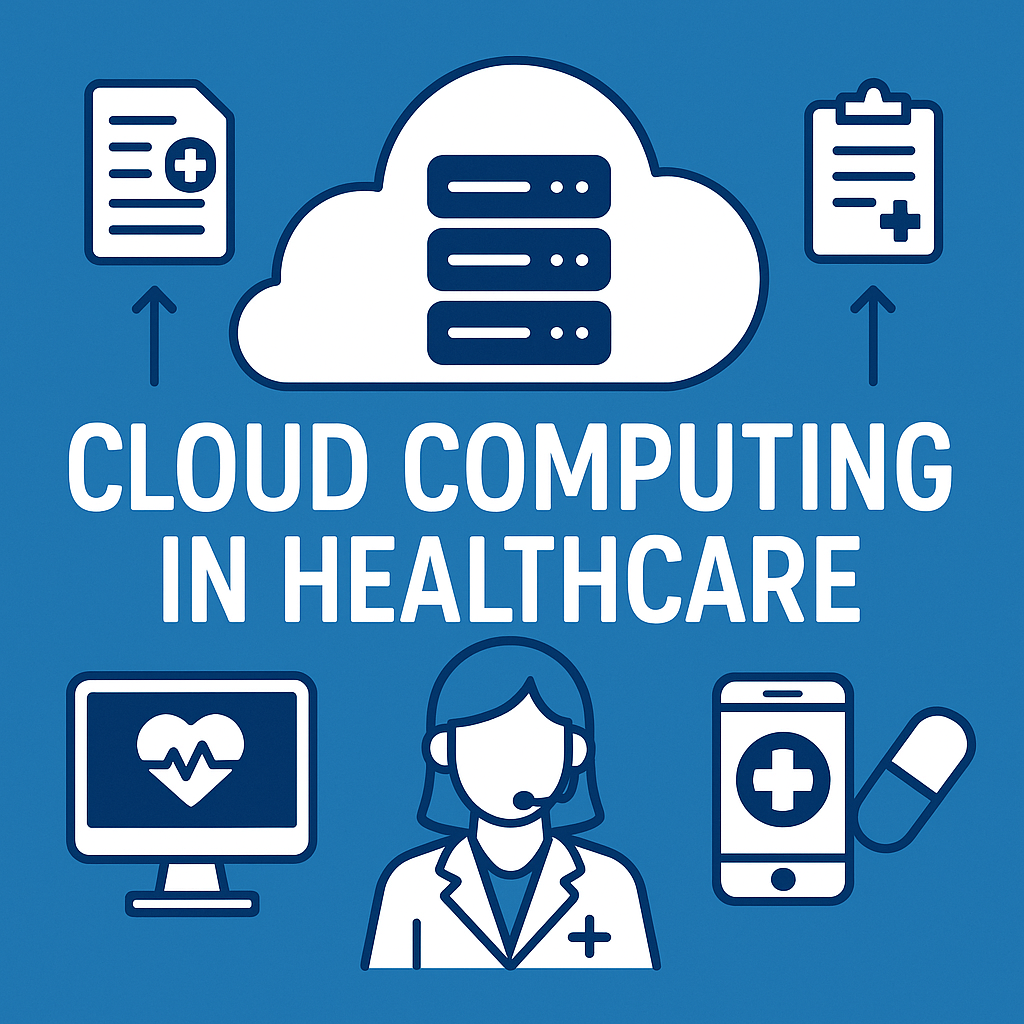
Technology has changed nearly every part of our lives, from how we shop to how we communicate. But one of the most exciting and impactful transformations is happening in healthcare and it’s powered by cloud computing.
While “cloud computing” may sound like a technical buzzword, its meaning is simple: the cloud allows information to be stored, processed, and accessed over the internet instead of on local computers.
In everyday life, we use cloud services without thinking about it; streaming movies, storing photos online, or accessing files from multiple devices. Now imagine that same convenience, flexibility, and speed applied to medical care. That’s exactly what’s happening as hospitals, clinics, and healthcare organizations adopt cloud technology to improve patient care, reduce costs, and operate more efficiently.
In this guide, we’ll explain what cloud computing in healthcare really means, why it’s becoming so essential, and how it affects patients, providers, and the healthcare industry as a whole.
What Is Cloud Computing in Healthcare?
At its core, cloud computing is a way of storing and using information online instead of on-site. Instead of a hospital relying solely on physical servers in a back room, it can use secure online platforms to store patient records, run software, analyze data, and support communication between doctors and patients.
Think of the cloud as a highly secure online toolbox. Healthcare providers can open this toolbox whenever they need to access patient information, update medical records, or use specialized software. The cloud makes all this possible from any approved device with an internet connection. Healthcare cloud computing typically supports:
- Electronic Health Records (EHRs)
- Telemedicine and virtual doctor visits
- Medical imaging storage (like X-rays and MRIs)
- AI-powered tools and analytics
- Collaboration between medical teams
- Secure data sharing
The goal is simple: make healthcare faster, safer, more accessible, and more efficient for everyone involved.
The Key Reasons Cloud Computing Is Transforming Healthcare
1. Better Access to Patient Information
One of the biggest reasons cloud computing is becoming essential in healthcare is its ability to provide instant access to patient information. Instead of digging through physical files or relying on outdated systems, doctors and specialists can quickly pull up records from secure cloud platforms anytime they need them.
This means no more delays caused by missing charts or incomplete histories. Patients benefit, too, because they can view their own health information online, helping them stay more involved in their care. When everyone from the medical team to the patient has quick access to accurate, up-to-date information, better decisions are made and better care becomes the norm.
2. Lower Costs and Greater Efficiency
Healthcare organizations handle enormous amounts of data, and trying to store and maintain everything on-site can get expensive fast. Cloud computing helps hospitals save money by eliminating the need for heavy hardware investments and ongoing maintenance.
Instead of paying for huge servers, they simply pay for the resources they use, which makes budgeting easier and more predictable. Plus, the cloud reduces the need for large IT teams and provides the flexibility to scale up or down based on demand. All these savings allow healthcare providers to shift their focus and resources back to where they matter most; improving patient care.
3. Improved Data Security
Protecting patient data is one of the top priorities in healthcare, and cloud computing offers some of the strongest security tools available today. With features like encryption, multi-factor authentication, automatic updates, and built-in data backup, the cloud provides layers of protection that many individual hospitals simply can’t match on their own.
When these systems follow strict regulations, such as HIPAA requirements, the cloud becomes a secure environment for storing sensitive health information. In many cases, it’s actually safer than traditional on-site systems because it’s continuously monitored and updated to defend against new cyber threats.
4. Support for Telemedicine and Remote Care
Telemedicine has changed the way people receive healthcare, especially for those who live far from clinics or have trouble traveling. Cloud computing makes these virtual visits smooth and reliable by powering secure video platforms, storing telehealth records, and giving doctors access to patient files during remote appointments.
It also supports mobile health apps that let patients track their health at home. For individuals in rural or underserved communities, this level of access can be life-changing, providing high-quality care without the need to travel long distances.
5. Faster Medical Research and Innovation
Modern medical research relies on massive amounts of data, and cloud computing makes it possible to collect, store, and analyze all of it more efficiently than ever before. Whether it’s identifying patterns in disease outbreaks, accelerating drug development, or training advanced medical AI models, the cloud gives researchers the power and speed they need.
Enabling easy data sharing and collaboration across institutions, the cloud helps medical discoveries happen faster. This means quicker progress in areas like genomics, predictive analytics, and early disease detection; ultimately pushing healthcare innovation forward in ways that directly benefit patients.
Examples of Cloud Computing in Healthcare
Electronic Health Records (EHRs)
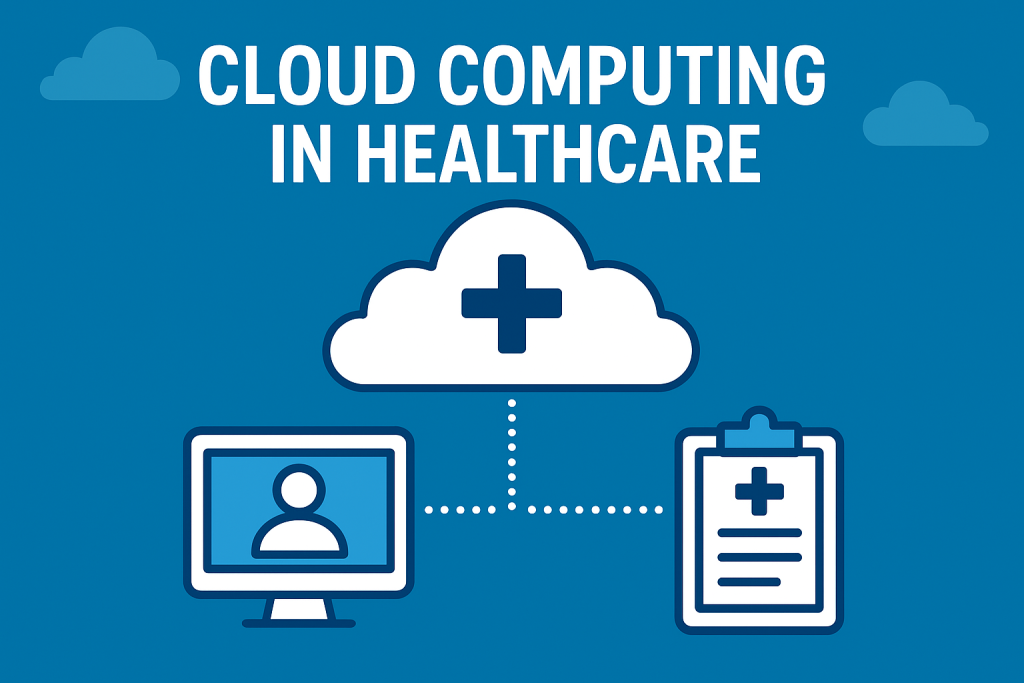
Cloud-based Electronic Health Records have transformed the way medical teams manage patient information. Instead of relying on paper files or outdated systems, cloud EHRs let doctors and nurses update patient records instantly, ensuring everyone has access to the most accurate information at all times.
This eliminates problems like misplaced files or handwritten notes that are hard to read. With everything stored in a secure, centralized location, care teams can collaborate more easily, make faster decisions, and deliver smoother, more connected patient care.
Medical Imaging Storage
Medical imaging such as X-rays, MRIs, and CT scans requires massive amounts of digital storage. Cloud computing solves this challenge by offering secure, scalable space where images can be stored and retrieved whenever needed.
Instead of burning images onto discs or relying on slow local systems, doctors can open cloud-based images in seconds, even from different locations. This makes consultations quicker, supports second opinions, and helps specialists work more efficiently, ultimately improving the quality and speed of diagnosis.
AI and Predictive Analytics
One of the most exciting uses of cloud computing in healthcare is the power it gives to artificial intelligence and predictive analytics. Cloud platforms can process huge amounts of patient data and run advanced algorithms that help identify trends and potential health risks.
These tools can alert medical teams to early signs of deterioration, assist in detecting diseases sooner, or even help create personalized treatment plans. With the cloud providing the computing power behind the scenes, hospitals can use cutting-edge technology without needing expensive on-site hardware.
Virtual Care Platforms
Virtual care and telemedicine have become essential parts of modern healthcare, and cloud computing makes them possible. Telehealth apps depend on the cloud to deliver secure, stable video calls, store patient information, and allow doctors to access records during online visits.
This makes remote care accessible and convenient for patients, especially those who may have mobility challenges or live far from healthcare facilities. Because everything runs on the cloud, virtual visits are smoother, safer, and more reliable.
Wearable Devices
Wearable devices like smartwatches, heart monitors, and fitness trackers are more than just gadgets, they’re powerful health tools enabled by the cloud. These devices collect real-time data such as heart rate, activity levels, blood pressure, or oxygen saturation, and send it directly to cloud platforms.
Doctors can monitor this information remotely, spotting potential issues early and providing guidance without the patient needing to visit a clinic. For people with chronic conditions, this continuous connection can make healthcare more proactive and personalized.
Benefits for Healthcare Providers
Doctors, nurses, and healthcare administrators also gain a wide range of advantages.
1. Streamlined Workflows
Cloud computing helps healthcare providers streamline their workflows by reducing the amount of paperwork and manual administrative tasks they deal with every day. Instead of filling out forms by hand or searching through physical files, automated cloud-based systems take care of scheduling, records management, billing support, and more.
This frees up valuable time for doctors, nurses, and administrative staff, allowing them to focus more on patient care rather than drowning in repetitive tasks. With smoother processes and fewer delays, the entire healthcare environment becomes more organized and efficient.
2. Better Collaboration
In healthcare, collaboration can make all the difference in a patient’s outcome. Cloud computing makes that collaboration easier by giving specialists instant access to the same information, no matter where they’re located.
Whether a surgeon, radiologist, and primary care physician are in the same hospital or spread across different facilities, they can all review patient data, medical images, and updates in real time.
This level of connectivity leads to faster communication, fewer misunderstandings, and a more unified approach to treatment, which ultimately benefits both healthcare teams and their patients.
3. Scalability
One of the biggest advantages cloud computing offers healthcare providers is scalability. Hospitals and clinics often experience fluctuating demands in busy seasons, they may need much more storage and computing power, while quieter times require less. With the cloud, scaling up or down is easy and cost-effective.
Providers don’t have to invest in new servers or equipment every time they grow; instead, they simply adjust their cloud usage. This flexibility ensures they always have the technology resources they need without overspending or running into capacity issues.
4. Faster Decision-Making
Access to real-time data can be life-saving in healthcare, and cloud computing plays a major role in speeding up critical decisions. When medical teams can instantly review updated patient records, lab results, and monitoring information, they can respond quickly to urgent situations.
This is especially valuable in emergency care, intensive care units, or during sudden health changes in patients with chronic conditions. The cloud ensures the right information is available at the right moment, helping healthcare professionals act faster, more confidently, and more accurately.
Challenges of Cloud Computing in Healthcare
While the benefits are significant, it’s important to acknowledge that cloud computing also brings challenges.
Internet Dependence
Because cloud-based systems rely on internet connectivity, healthcare organizations must have reliable and stable access at all times. If the internet goes down, even temporarily, it can limit access to important data or tools, which might slow down workflows.
This doesn’t mean cloud systems are unreliable; it simply highlights the need for backup connections, strong network infrastructure, and proper contingency planning. With the right safeguards in place, healthcare providers can minimize disruptions and keep operations running smoothly.
Integration With Legacy Systems
Many hospitals still use older, legacy systems that weren’t designed to work with modern cloud platforms. Integrating these older tools with new cloud technologies can be challenging and may require system upgrades, custom connections, or phased migration plans.
It’s not always a straightforward process, but with careful planning and the right technical support, organizations can modernize their systems without losing valuable data or disrupting patient care. The long-term benefits of integration often outweigh the initial complexities.
Training Requirements
Even the best cloud system won’t be effective if staff members don’t know how to use it. Healthcare teams need training to understand new workflows, features, and security practices. This can take time and resources, especially in busy healthcare environments.
However, investing in proper training ensures that everyone from doctors to administrative staff can use the tools confidently and efficiently. When employees feel supported and well-prepared, cloud technology becomes far more beneficial and easier to adopt.
The Future of Cloud Computing in Healthcare
The future of cloud computing in healthcare is incredibly promising, especially as the industry becomes more digital and data-driven. In the coming years, cloud-powered analytics will make personalized medicine more common by helping sort treatments to each patient’s unique needs.
Artificial intelligence and machine learning hosted in the cloud will continue to improve early disease detection and diagnostic accuracy. Remote care will also expand, with telehealth, home-based monitoring, and virtual check-ins becoming even more accessible.
Enhanced interoperability will make it easier for hospitals, clinics, and pharmacies to share information, creating more coordinated and efficient care for patients. At the same time, cloud-based tools will accelerate medical research by enabling large-scale studies to be completed faster and more collaboratively.